
The Pilgrimages Nobody Told You To Make
The obvious pilgrimages are obvious for a reason. Pebble Beach, Bandon Dunes, Pinehurst No. 2: these destinations have earned their reputations through decades of competitive golf, architectural prestige, and the kind of sustained word-of-mouth that eventually becomes cultural consensus. They're worth making. Most serious golfers already know that.
But there's a different category of pilgrimage: the destination that requires more from you. More travel, more planning, more willingness to go somewhere that doesn't come up on every best-of list. The destinations on this list are not undiscovered. They're just not overexposed. Golfers who have been to all four carry something that doesn't come from checking the obvious boxes.
Cabot Cape Breton
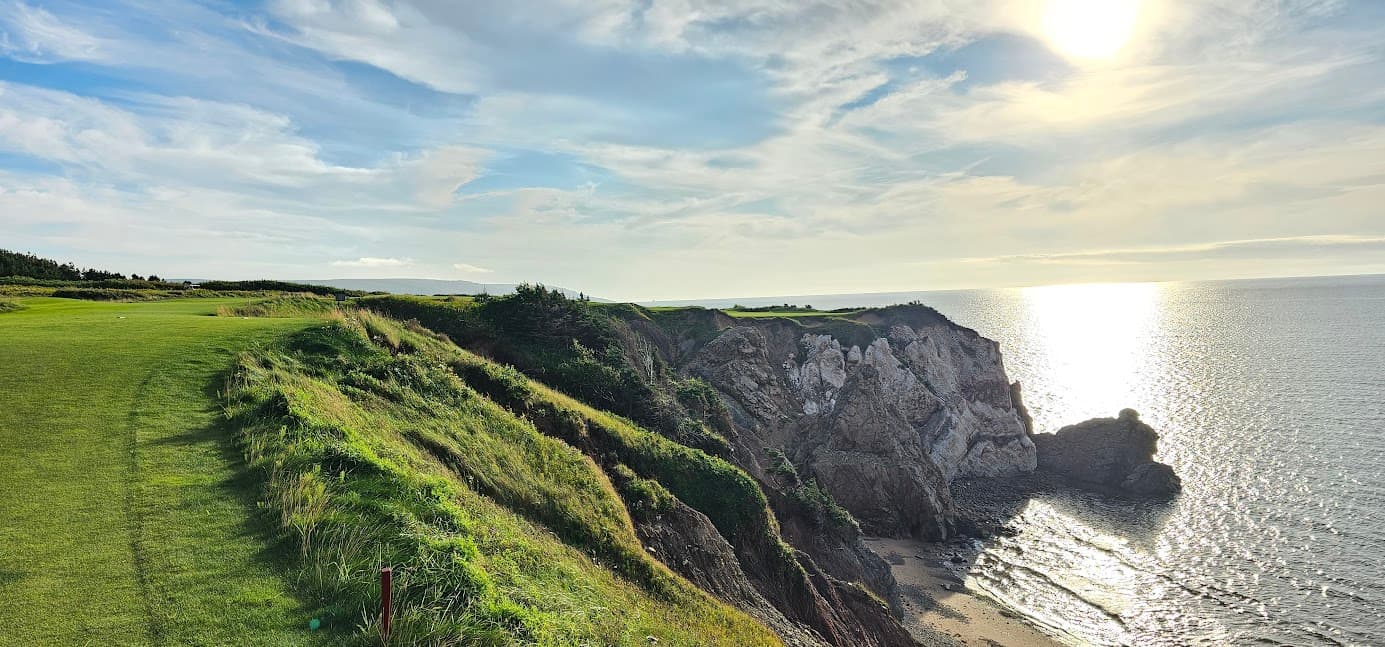
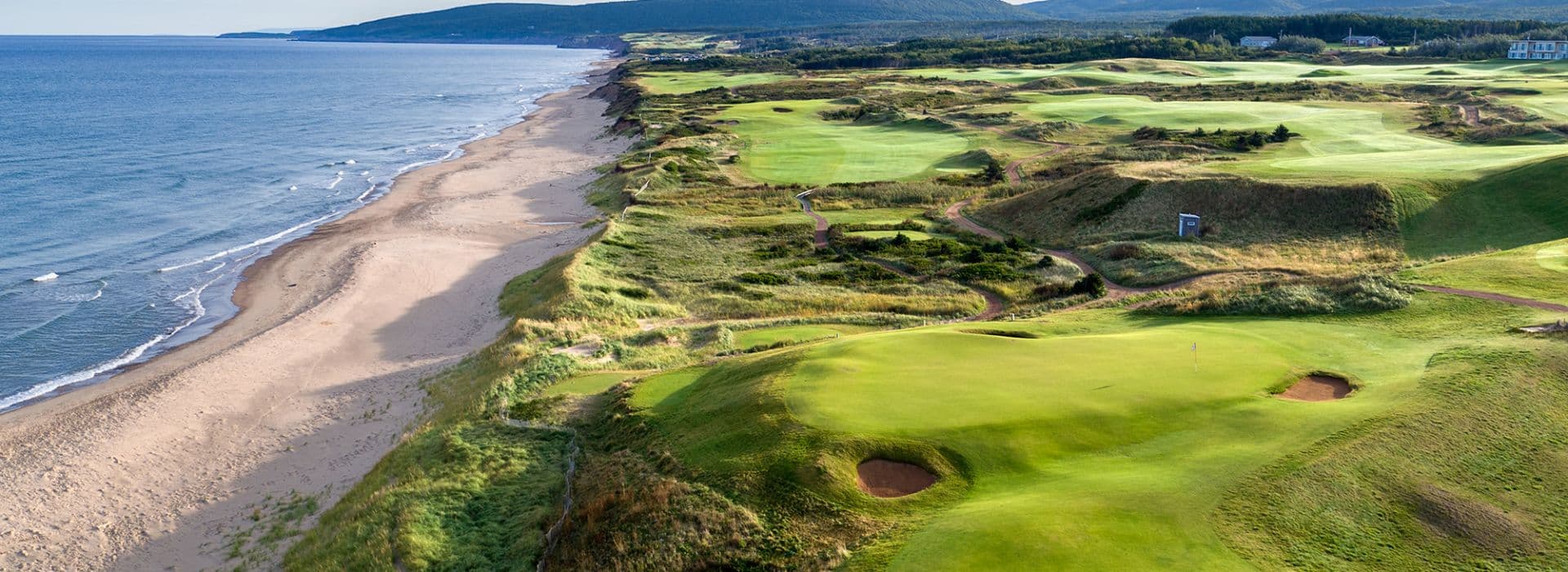
Cabot Cape Breton is the most dramatic golf setting in North America that most American golfers haven't made the trip to. Two courses, Cabot Cliffs and Cabot Links, sit on the western coast of Nova Scotia along the Ceilidh Trail. Cabot Cliffs is one of the best courses in the world by any measure. The clifftop routing, the drop holes to the Atlantic, and the exposure to whatever Cape Breton's weather decides to do produce an experience that is genuinely irreplaceable.
Getting there requires effort. Halifax is the major airport, followed by a three-hour drive on the Cabot Trail itself, which is beautiful enough to justify the travel on its own. The commitment is the point. Groups that make it to Inverness understand immediately why this place's reputation has spread almost entirely by word of mouth. You can't fake what Cabot Cliffs does. You also can't fully describe it. You have to go.
Gamble Sands
Gamble Sands is the Pacific Northwest's best-kept secret, which is a strange thing to say about a destination that serious golfers have been talking about for years. The course sits in the Columbia River Basin near Brewster, Washington, on land that doesn't look like it should produce world-class golf. It does. David McLay Kidd's routing across the sandy bluffs and natural terrain of Eastern Washington is unlike anything else in American golf, and the town of Brewster makes it clear that you are nowhere near anywhere you've been before.
That remoteness is the feature. Gamble Sands doesn't exist in a resort corridor. It doesn't have a famous hotel attached, a celebrity chef restaurant, or a brand name that requires no explanation. What it has is golf, singular and specific, that rewards the golfer who made the effort to get there. The pilgrimage quality comes from the fact that you have to want it badly enough to find your own way there, and then trust what you find when you arrive.

Banff
Banff is the destination that non-golfers have already been to and that golfers keep overlooking. The Fairmont Banff Springs course occupies a valley surrounded by the Canadian Rockies in a way that makes the word scenic feel inadequate. The course is not the most technically demanding on this list. It doesn't need to be. The combination of Stanley Thompson's routing, the mountain backdrop, the wildlife that crosses the fairways on its own schedule, and the Fairmont hotel itself produces a trip that has no real equivalent.
The pilgrimage quality here is different from the others. Banff is not obscure. It's simply the kind of destination that golfers keep putting off because it doesn't fit neatly into a golf-first itinerary. It should. The Stanley Thompson course alone justifies the travel, and the national park setting means the non-golf hours are as good as the golf, which is a combination most destinations on any continent can't claim.
North Dakota
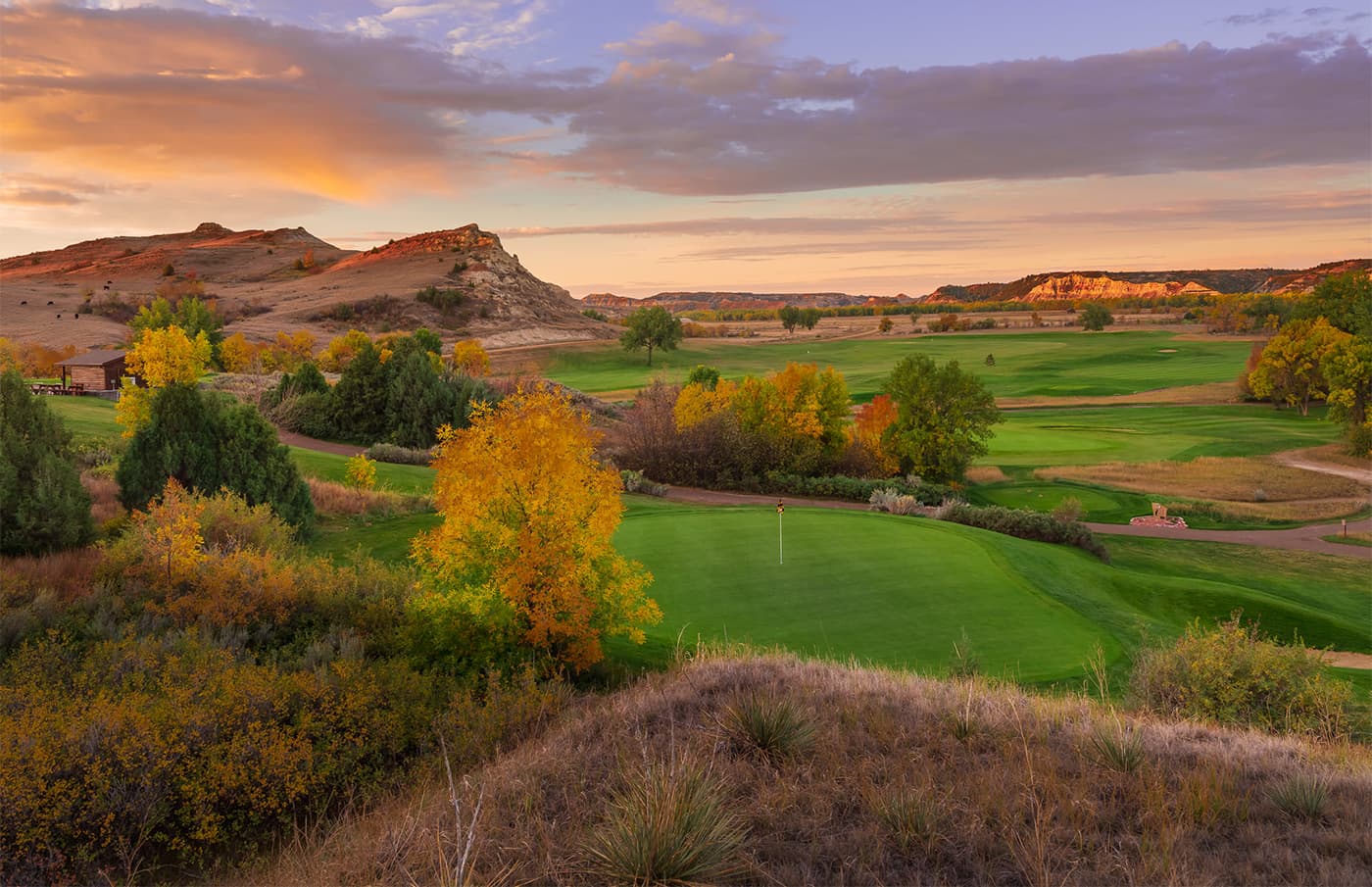
North Dakota is the boldest choice on this list and the one that requires the most explanation to people who haven't been. The golf in the Badlands and along the Missouri River breaks is among the most dramatic and most affordable in the country. Bully Pulpit at Medora sits on terrain so unlikely and specific to its landscape that it defies easy comparison. The fact that it costs a fraction of what you'd pay at a coastal destination is part of what makes the pilgrimage honest: the golf earns its own reputation without price as a proxy for quality.
The pilgrimage quality here comes from commitment to the unlikely. North Dakota is not on anyone's default golf trip list. That's exactly why going there means something. Groups that make the trip return having played golf they couldn't have predicted, on land that turns out to be spectacular for reasons that don't read well on paper, in a state that rewards the golfer who stopped waiting for someone else to tell them it was worth it.
What These Four Have in Common
None of these destinations are famous in the way Pebble Beach or Augusta National are famous. That's the point. The pilgrimage worth making is not always the one with the most obvious credential. It's the one that required you to actually commit: to book a flight to Halifax, to drive through the Badlands to find Medora, to navigate Eastern Washington without a clear itinerary, to finally book the Banff trip you've been putting off for five years.
The golfers who have been to all four of these destinations have a different kind of golf resume than the golfer who has covered the obvious list. Not better, necessarily. Just more honest about what golf travel is actually for.