
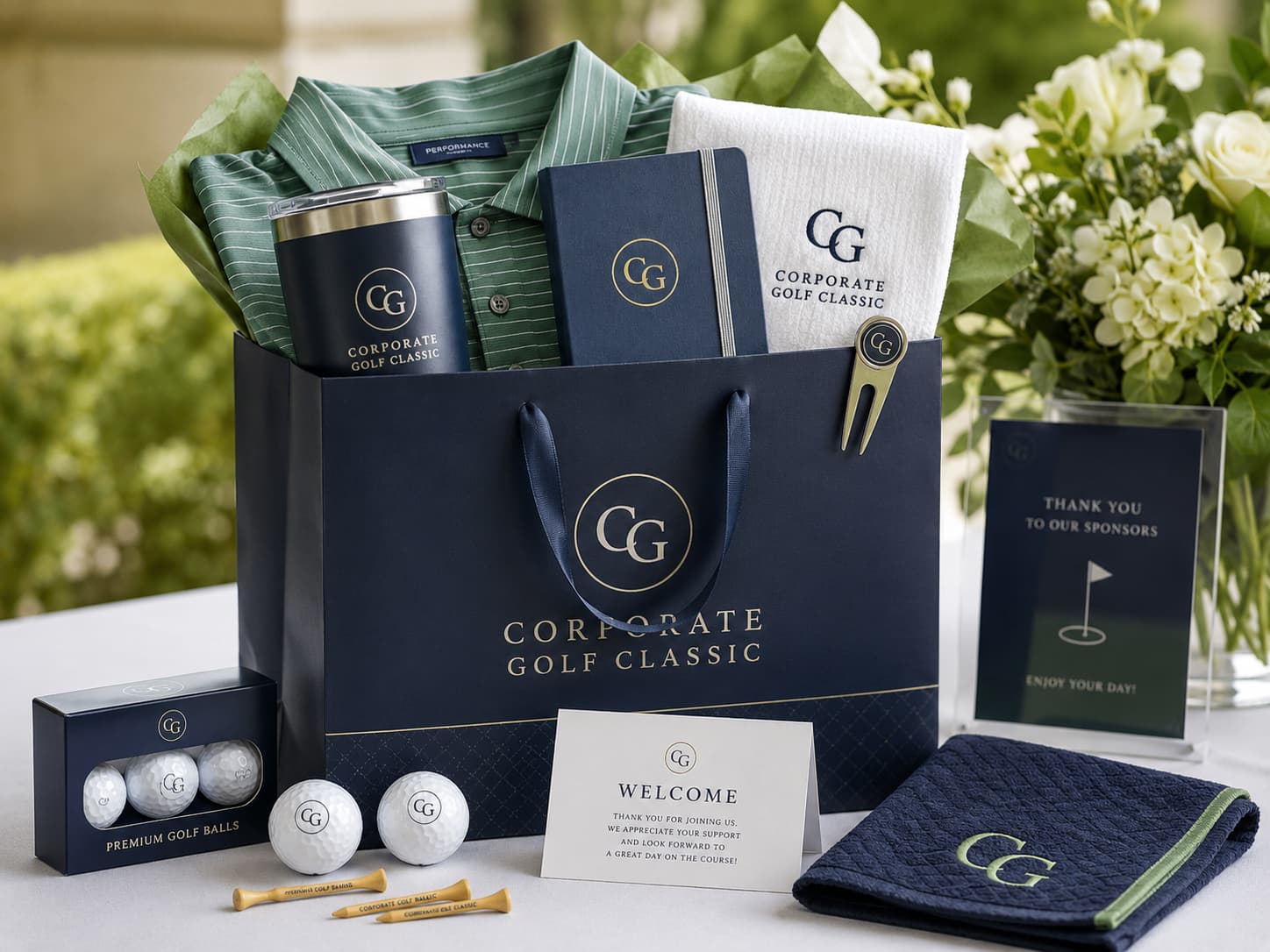
Why Corporate Golf Trips Fail
The standard corporate golf trip fails for two related reasons. First, the people running it are optimizing for logistics and optics rather than experience. The agenda is designed to demonstrate that the company takes golf seriously, not to produce a trip that participants actually enjoy. Second, the group is too large and too mixed for the format to work: twelve players at wildly different skill levels, half of whom are there because they felt obligated, playing a course that was selected because it photographs well for the recap email.
The result is a trip that nobody talks about positively and most people attend reluctantly next year. This is an expensive outcome for a format that, done well, is one of the most effective relationship-building tools in business.
Start With a Smaller Group
The most consistent finding from corporate trips that actually work: they're small. Eight to twelve people maximum. Not the entire sales team. Not the full client contact list. The people whose relationships the company most needs to develop, and the hosts who are genuinely good company in a golf context.
A corporate trip with six clients and four hosts is a substantially better experience than one with twenty clients and eight hosts. The golf is more intimate. The meals produce real conversations. The group feels curated rather than obligated. The clients go home feeling like they were specifically invited, not batch-included in a marketing event.
The Right Destination
A corporate trip destination needs to work for players across a wide range of skill levels without making anyone feel embarrassed. This means course setup matters more than absolute quality ranking.
Pinehurst Resort is close to ideal. Multiple courses at different difficulty levels, a resort that handles group logistics professionally, and a brand name that clients recognize and respond to positively. You can put two 25-handicaps together with a 5 and a 12 and build a format that produces genuine competition at every level.
Kiawah Island works for the highest-end client relationship. The Ocean Course is intimidating for high-handicappers, but the resort's other courses are more accessible, and the off-course experience at The Sanctuary is exceptional for client entertainment.
Sea Island is the most underrated corporate trip destination in the Southeast. Professional operation, excellent courses at multiple levels, and a resort culture that handles group events without making them feel like events.
The Format That Works
Scramble formats are tempting for corporate trips because they hide individual scoring. They're almost always the wrong choice. Scrambles compress the experience in a way that eliminates the natural conversations that happen between shots when players are managing their own game. The golfer who is struggling but managing their own ball is more engaged than the golfer watching three other people play the same shot.
Better format: best ball with handicaps, two-person teams mixed between clients and hosts. This produces enough competition to make the golf interesting while keeping it accessible. Clients who play badly still contribute to the team. The math works at multiple skill levels. And the two-person team structure creates exactly the kind of extended one-on-one conversation that corporate trips are supposed to generate.
The Evening That Actually Matters
Every corporate trip has a dinner that functions as the centerpiece of the client relationship. This dinner should be structured around the golf, not around a presentation, a formal agenda, or assigned seating that puts clients next to people they already know.
Let the day's pairings self-organize the seating. The foursome that played together all day will naturally want to finish the conversation over dinner. A single shared bottle of something excellent at the table tells a client more about how you do business than any talking point.
What the Best Corporate Trips Have in Common
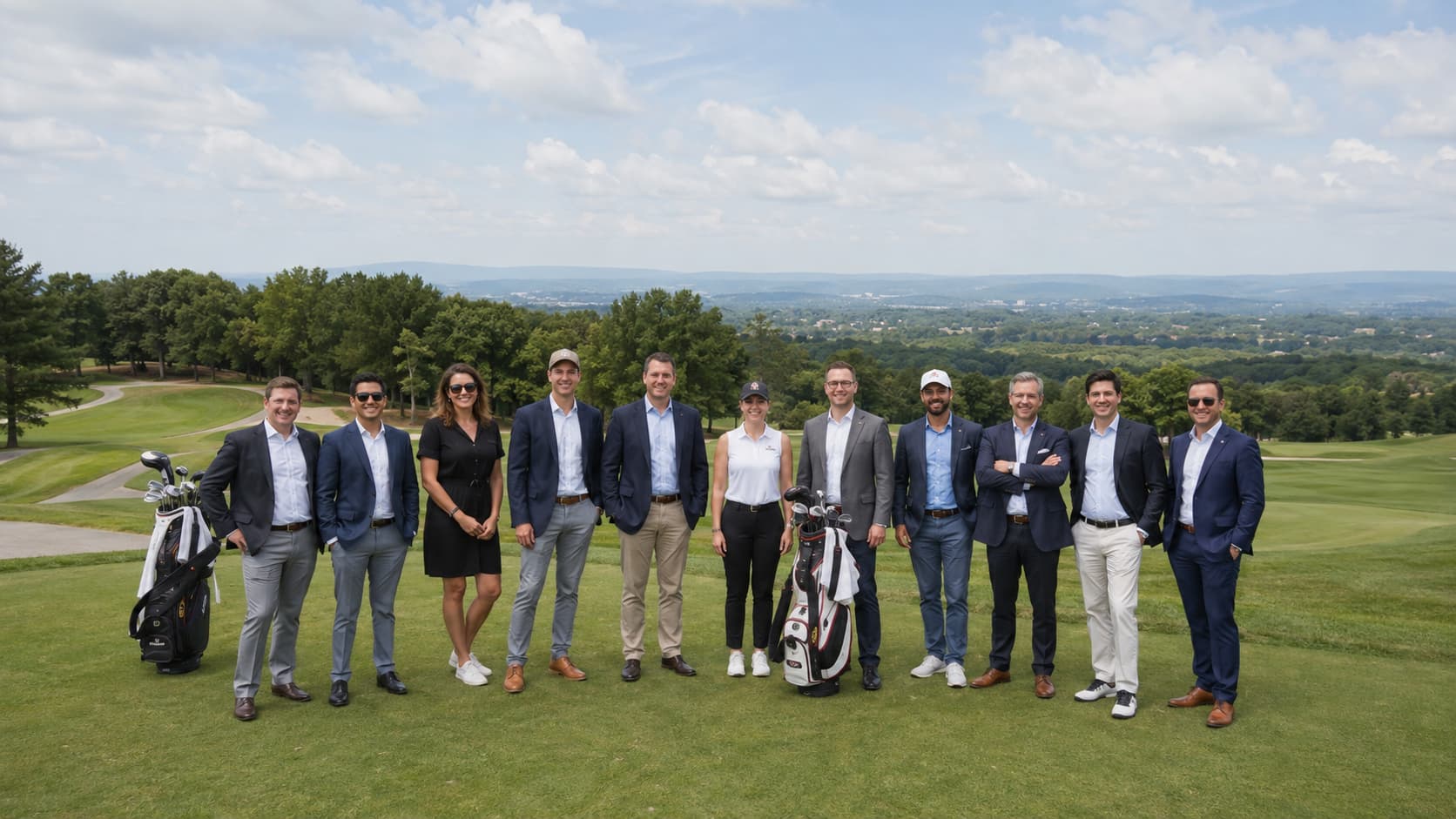
The corporate trips that accomplish their purpose share three things: a small, specific guest list; a golf format that produces genuine competition without humiliating weaker players; and an evening structure that prioritizes real conversation over formal programming.
The company that runs a corporate trip this way once finds that clients bring it up months later, compare it favorably to other trips they've taken, and respond differently to the next outreach email. That's the return on investment of a trip done right. It's not a golf outing. It's the most authentic thing you can do for a client relationship, which is exactly why it works when everything else is executed correctly.