
Understanding When and Why Shoulder Season Wins
Peak season sells certainty, shoulder season delivers an experience. For golfers willing to plan just outside the obvious windows, the payoff is real: fewer crowds, easier access, better pacing, and more often than not golf that’s every bit as good. You trade a small amount of predictability for a meaningfully better experience.
The case studies are well known. Bandon Dunes in May or October brings lighter crowds, more replay freedom, and wind-driven variety without the summer crush. Sand Valley in May or September delivers identical playing conditions to peak summer with far more breathing room across the property. And Pebble Beach in March, April, or October strips away some of the production: cooler air, clearer tee sheets, and the same coastal drama without peak-season congestion. Those are the obvious ones. The advantage doesn’t stop there.

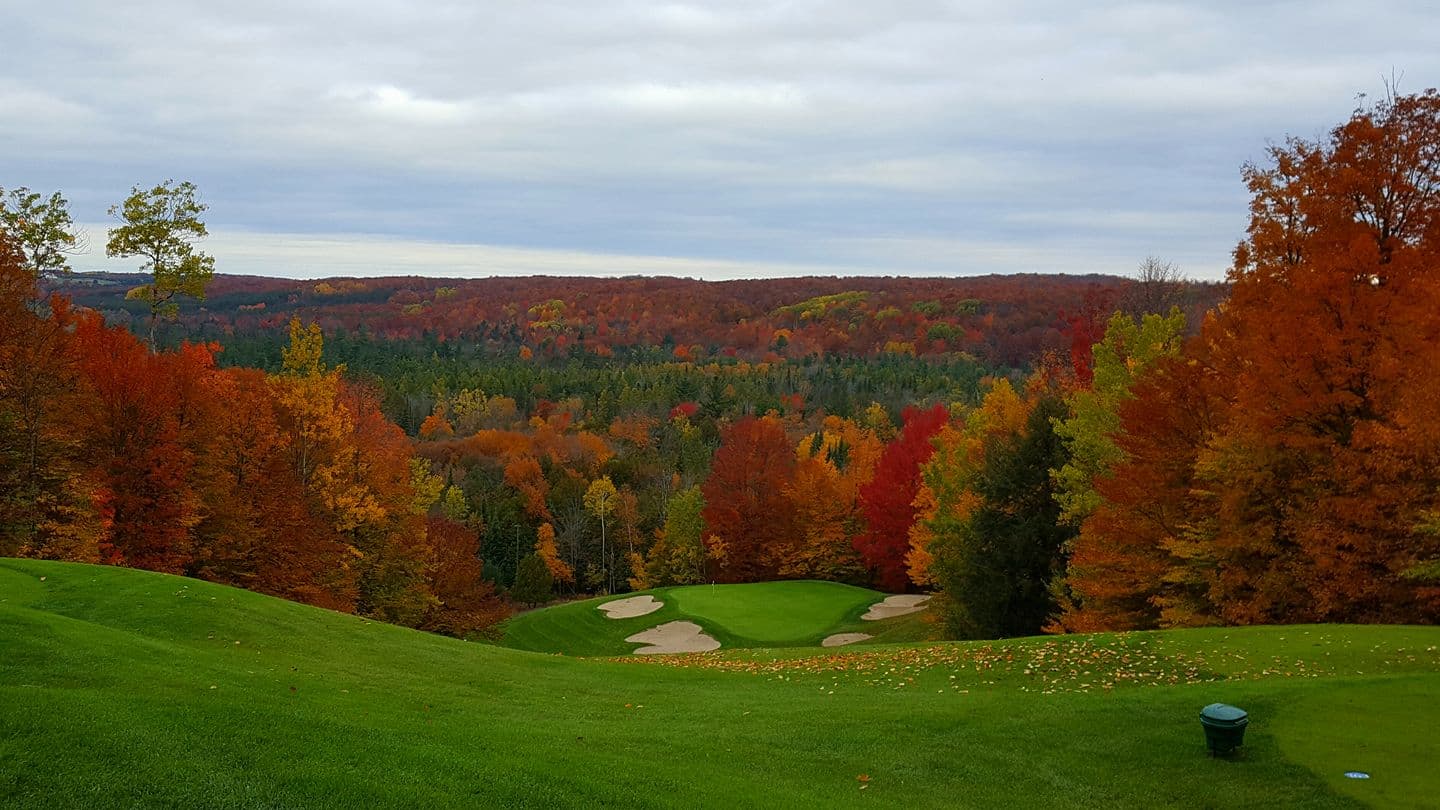
Arcadia Bluffs is a shoulder-season classic. Late May and September preserve everything that makes the Bluffs special (the Lake Michigan backdrop, firm turf, exposed greens) while dramatically improving access and pace. Peak summer can feel compressed; shoulder season restores the sense of space and makes replay rounds far more appealing.
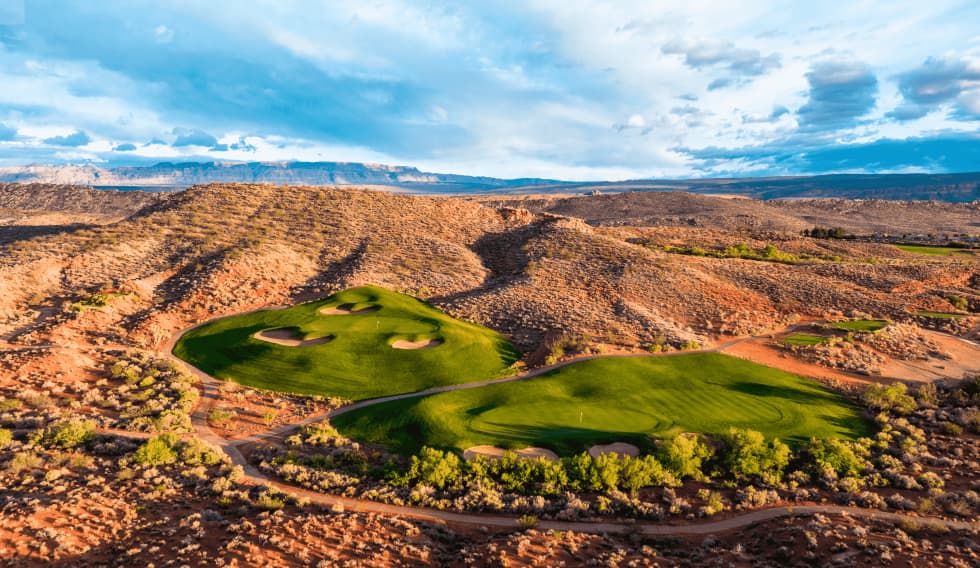
Southern Utah is arguably defined by shoulder season. Spring and fall bring ideal desert golf: crisp mornings, playable afternoons, and scenery that feels almost unreal when the light softens. Summer heat suppresses demand, so March and November deliver exceptional value with virtually no compromise in conditions. Timing here isn’t a bonus, it’s the whole point.
The Pinehurst Area becomes a different destination outside its spring peak. February and November unlock the depth of the region; more tee-time flexibility, quieter dining, and courses that feel less like attractions and more like places to play. The golf doesn’t change much; the experience improves significantly.
And at Whistling Straits, shoulder season improves the walk. May and late September bring cooler temperatures, steadier pacing, and winds that add texture without exhaustion. The Straits Course is still exacting, but the overall experience feels calmer and more intentional once peak summer demand eases.
The takeaway is simple: shoulder season isn’t about settling. It’s about choosing moments when demand drops faster than quality. For destinations built on walking, replayability, and atmosphere, those windows often deliver the purest version of the trip. Peak season may be safer, but shoulder season is where the best golf trips are actually lived.