
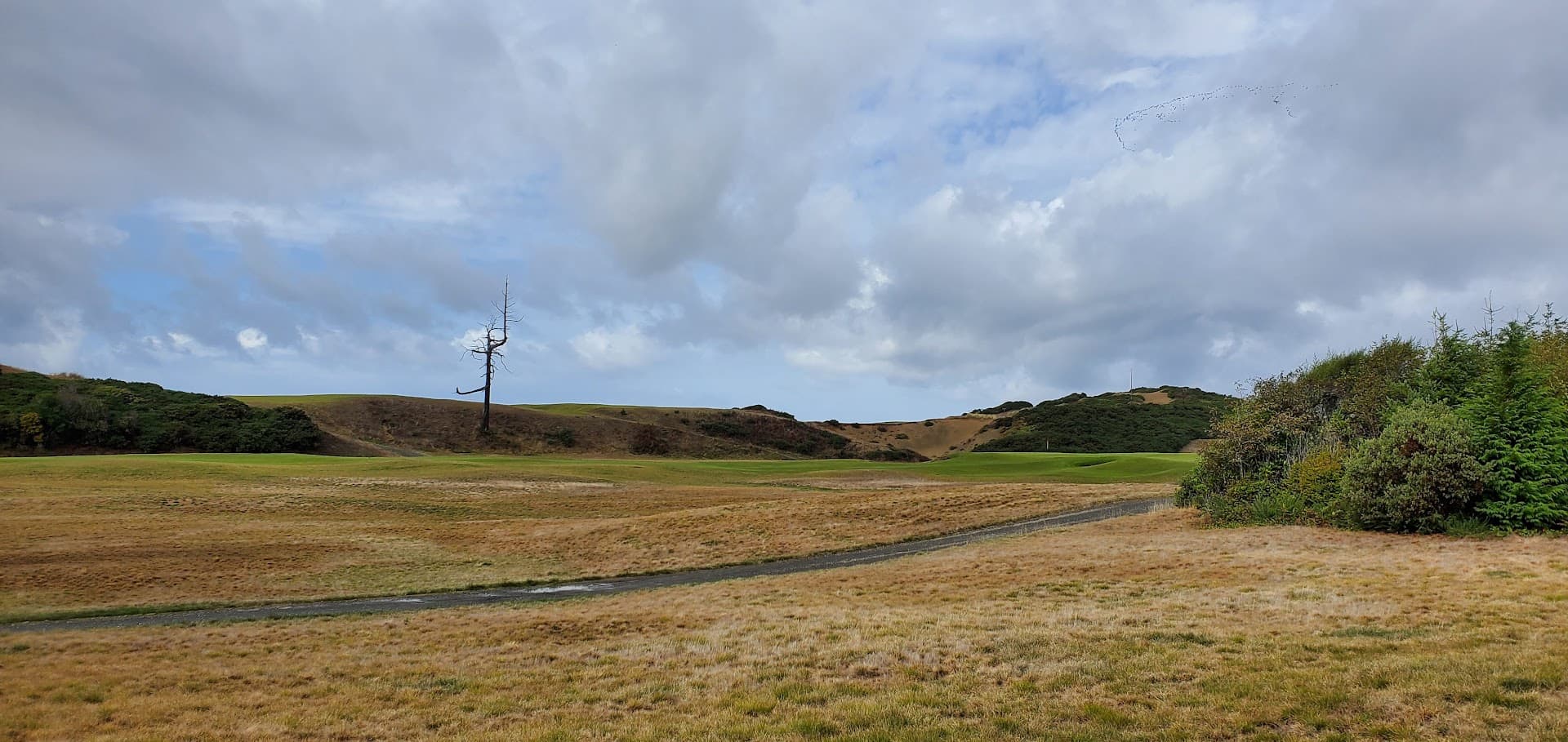
The Replay Trap
The replay exists because the first round wasn't enough. The course was better than expected, the conditions were ideal, something about the second nine produced a run of holes that no one wanted to leave, and someone suggested doing it again. The replay is almost always a mistake.
This is not a logistical argument. It is an argument about diminishing returns. The first round of any great course is a discovery. The second round on the same day is an audit. You know where the greens break. You know which approach shots you misread. The tension that makes great golf courses great, the uncertainty about what the routing will demand next, is gone.
The exception is Pacific Dunes at Bandon Dunes, where the wind changes so completely between morning and afternoon that the course genuinely plays differently and the reset is real. The exception is also any course where the first round was interrupted by rain, slow play, or personal catastrophe. But those exceptions prove the rule.
What to Play Instead
Great golf resorts exist precisely because they have more than one course. A replay at Sand Valley means one fewer round at Mammoth Dunes. A replay at Pinehurst means no round on The Cradle. A replay at Streamsong means one of the three courses goes unplayed.
The case against the replay is a case for using the trip correctly. The second 18 should be on a different course with a different architect and a different vocabulary. The group that plays six rounds at one resort across three days and comes home having played six different designs learned more about golf than the group that played three of the same course twice.
Every great resort has at least two good courses. Use both.