

The Right Premise
The golf bachelor party fails when it tries to be two trips at once: the serious golf trip for the golfers and the standard bachelor party for everyone else. You end up with half the group exhausted from the night before and barely functional on the course, and the other half resenting the 7am tee time after a 2am night. Nobody gets what they actually wanted.
A bachelor party built around golf works when everyone going is a golfer, the golf is the main event, and the structure of the trip supports the golf rather than competing with it. This is not the trip for the groom's non-golfer college friends. Invite them to a separate bar night. This trip is for the golfers, and it should be designed that way without apology.
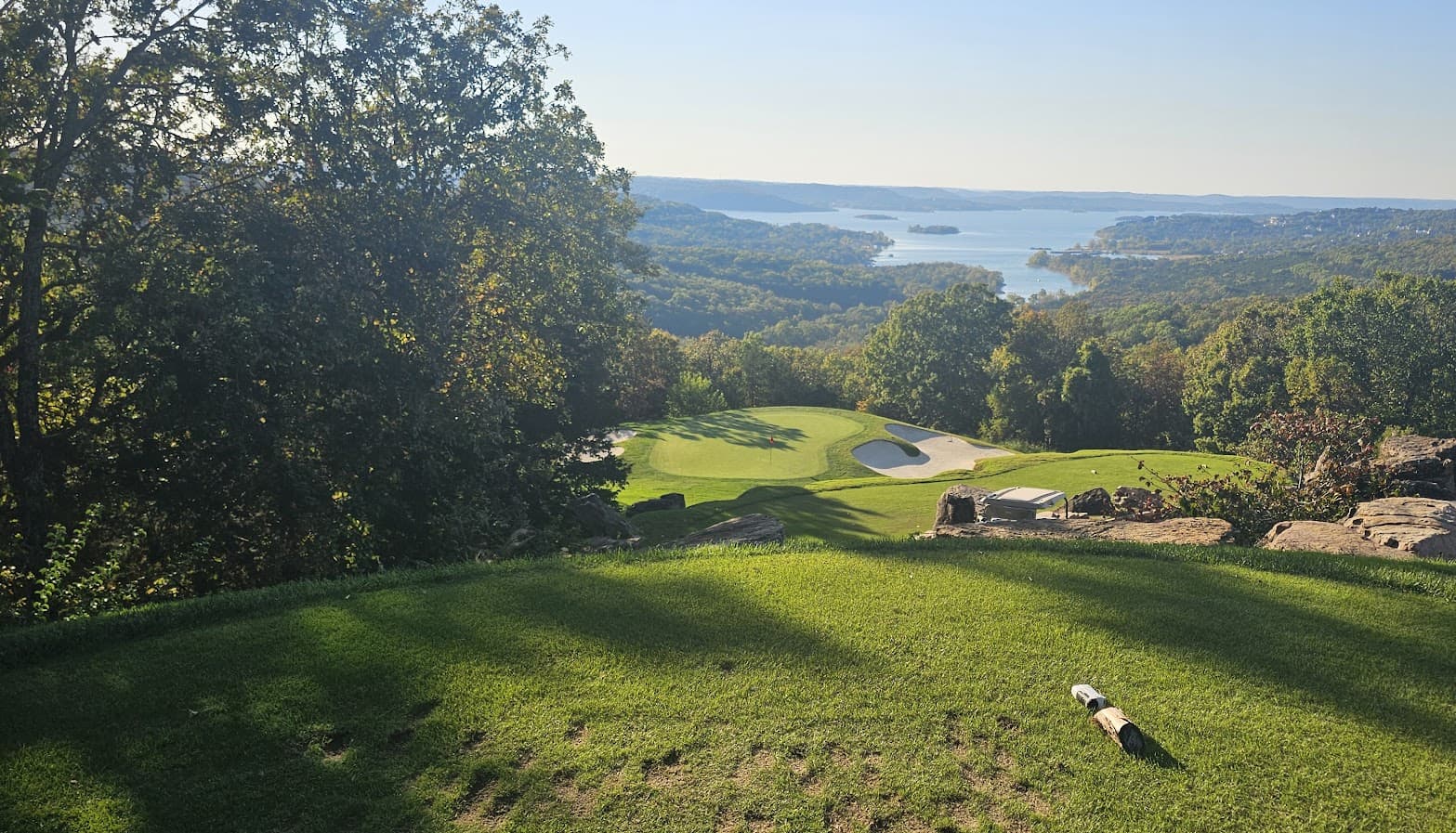
Destination Choices
The destination has to be somewhere the golf is good enough that the golf itself is the celebration. A mediocre course with good nightlife is the wrong choice. An exceptional course with limited nightlife is the right one.
Streamsong is the most natural fit for a bachelor party built around golf. Remote enough that the group can't wander, three courses that are legitimately outstanding, a pool and lounge area that supports evening gatherings without requiring anyone to travel. The property keeps the group together without feeling restrictive. Groups that are there for the golf don't need external entertainment to stay engaged.
Sand Valley works for the same structural reason: the property has everything the group needs and nothing that competes with the golf. Three courses, common areas that work well for group dinners, and a setting that encourages the kind of extended post-round conversation that these trips are actually good for.
Bend, Oregon works if the group is West Coast-based and wants a destination with more evening options. The town has legitimate restaurants and bars that complement the golf rather than eclipse it. Tetherow and Pronghorn are good enough to anchor the trip.

Structure That Works
36 holes per day is the right target for a bachelor party that takes the golf seriously. Two rounds, walking if possible, with caddies if the destination supports it. Caddies add structure, pace, and a layer of entertainment that groups on multi-day trips appreciate. The caddie who reads the room and delivers commentary at the right moment is a genuine trip asset.
Keep the evenings focused and relatively contained. A good dinner, a proper betting settlement from the day's rounds, and enough time for the natural conversations to develop without forcing the night long. Groups that go hard every evening on a four-day golf bachelor party usually find that the golf falls apart on days three and four. The golf is why you're there. Protect it.
The games matter. Skins, Nassau, team formats: the bet should run throughout the trip and be legitimate enough that it means something. The groom should be in the action, not insulated from it. There's nothing celebratory about giving the groom a three-stroke cushion on his bachelor trip. Compete properly and let the results fall where they do.
What to Avoid
Avoid destinations where off-course options compete too aggressively for the group's attention. Las Vegas is the obvious case. The golf becomes incidental the moment the city gets involved. Groups that go to Vegas for a golf bachelor party end up with neither a great golf trip nor a great bachelor party. Choose a destination where the golf wins by default.
Avoid forcing non-golfers into the trip. If half the bachelor party doesn't play, the groom is managing two separate experiences simultaneously, which is exhausting. A separate evening for the non-golfers keeps the golf trip clean.

The One Non-Negotiable
The groom should play the best golf of the trip. Not necessarily the best golf of his life, but the best golf relative to the group. This means the group manages pace, supports his rhythm, and doesn't let the competitive games become something he's managing rather than enjoying. A good group knows how to keep the competition honest and the occasion celebratory at the same time. That balance is the captain's job, and it's worth thinking about before the first tee.